The Shutdown Showed Us the Ugly Truth About Washington
After 43 days of dysfunction and finger-pointing, the federal government is creaking back to life. The longest shutdown in American history didn’t end because politicians finally did the right thing. It ended because the elites in D.C. started to feel a little uncomfortable. Their favorite playground was being exposed for what it is: bloated, broken, and completely out of touch with the American people.
Let’s not forget the chaos that was allowed to unfold during those weeks. National parks, supposedly “closed,” were left wide open with no one around to enforce rules. At Gettysburg, vandals destroyed sacred property. In Utah, protected lands got trashed. And in Yosemite, people were launching themselves off cliffs like it was some sort of leftist adventure park instead of a treasured national site. That wasn’t just mismanagement—it was a total lack of leadership. The gates were left open, and Americans were stuck with the mess.
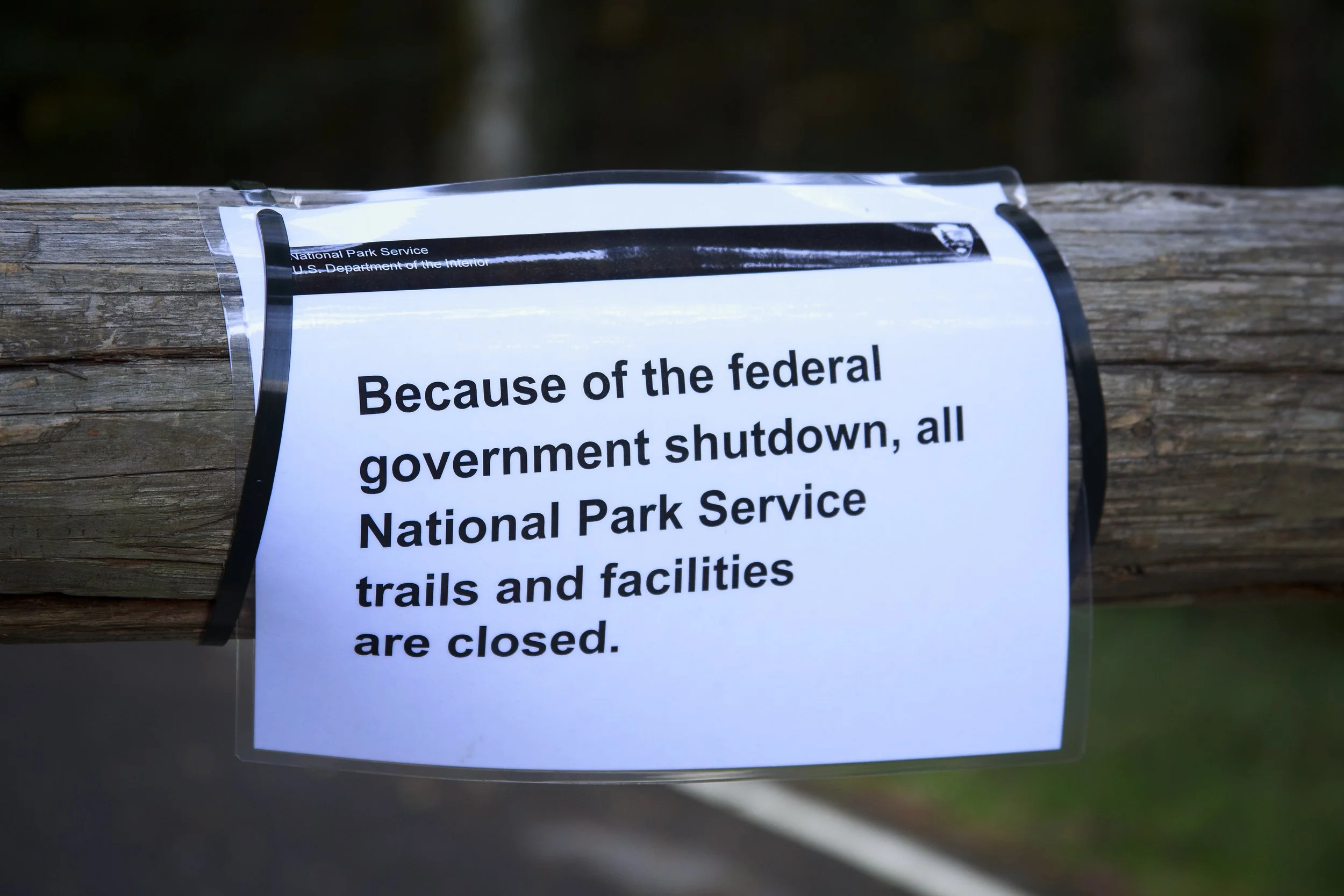
Let’s be real: this shutdown hit hardest not in Capitol Hill offices, but across the country where real people live. We were told the economy was losing $15 billion a week. Over 60,000 private-sector jobs were lost. Those numbers aren’t just headlines—they represent small business owners, families, and working Americans squeezed while Congress dragged things out.
The Trump administration tried something Washington feared: accountability. Some departments took the shutdown as an opportunity to lay off paper-pushers and reassess operations. For once, there was a chance to ask whether the federal workforce was too bloated. But in typical fashion, the courts and the swamp snapped back with panic and excuses. The second the temporary deal was signed, it was business as usual. No lessons learned. No real reform.
And what about the millions of Americans who rely on programs like SNAP? They were left hanging, while bureaucrats bickered. It took action from conservative states—places like Alabama, Iowa, and South Carolina—to push vital benefits through the broken machine. As usual, where the federal government failed, local leadership stepped in.

Then there were the perks and bonuses. We’re supposed to believe federal workers deserve full pay for weeks they didn’t work, plus massive “thank you” bonuses? Air traffic controllers got $10,000 handouts. TSA agents got surprise rewards. And union brass like Johnny J. Jones called on the government to just give “everybody a little something”—as if our tax dollars are just Monopoly money. All this while the average private-sector worker gets nothing but a bill at the end of the day.
Let’s talk about how they suddenly called people back to work early—not because anything urgent needed doing, but to make sure those payments landed even faster. Bureaucracy is slow when it comes to helping citizens, but lightning fast when it’s cutting checks for itself.
Food banks popped up for furloughed workers, which we're supposed to see as a national tragedy. But here’s the reality check: name a private-sector job that guarantees full back pay after a month off. You can’t. These federal workers will be made whole, with a cushy safety net baked in. Meanwhile, small business owners are left climbing out of the damage themselves.
This entire shutdown showed what’s really broken in America’s system. When the government stops working, Washington still gets paid. The swamp doesn’t reform—it doubles down. And worst of all? Democrats didn’t want a solution. They wanted political leverage. While President Trump tried to secure the border and demand fiscal sanity, the left stonewalled, backed by a complicit media intent on blaming one man for their dysfunction.
The truth is, President Trump’s leadership revealed what Washington refuses to admit: government is not the answer. It’s the problem. And until we start stripping down this bloated apparatus, cutting true nonessential departments, and demanding performance like we do in the private sector, this mess will keep repeating itself.
Shutdowns shouldn’t be viewed as national emergencies—they should be moments to actually assess what we need and what we don’t. Because if we keep piling on agencies, writing blank checks, and bailing out bureaucrats, then don’t be surprised when mediocrity becomes the default and accountability becomes impossible.
President Trump tried to pull the reins on a runaway beast, and for a moment, we saw it for what it is. Washington didn’t like that. The courts didn’t like that. The career swamp-dwellers definitely didn’t like that. But regular Americans—those who work, pay taxes, and expect results—they saw it loud and clear.
And it’s time we stop apologizing for demanding a government that actually works for us, not the other way around.
